 Domain SearchSecure your perfect Australian domain in seconds
 Web HostingExplore budget-friendly web hosting packages
 cPanel HostingHosting powered by cPanel (The world’s most intuitive control panel)
 Reseller HostingStart your hosting reseller business, without the technical challenges
 Windows HostingOptimised for Windows applications and websites
 Affiliate ProgramGet paid for referring customers to our services
 WordPress HostingHigh-Speed, Optimised WordPress Hosting
 Email HostingSecure business email hosting using your own domain, professional, reliable, and easy to control.
 Domain TransferTransfer your domain with no downtime and complete control
 All DomainsFind and secure domain extensions from around the globe
 Whois LookupCheck domain ownership, expiry dates and registrar details
 .Com DomainSecure the world’s most trusted domain for instant credibility
 AU DomainsGet recognised .au domains made for Australian businesses and people
 SSL CertificateProtect your site with reliable SSL Certificates to safeguard data and build visitor confidence.
 Vps HostingScalable VPS. Complete access. Top-tier speed.
 Managed VPSNot a tech person? Go with our fully managed VPS service.
 Dedicated ServersGet all the power and all the control of your own physical server.
 AI Website BuilderMake professional websites in minutes with AI, no experience needed.
 Online Shop BuilderStart a professional online store. No coding needed.
 Web Design ServiceGet a website designed around your brand and built for your goals.
 BlogBrowse articles on web hosting, online business, digital marketing and other topics
 SupportGet help and instructions for all our services
 ContactConnect with us anytime using chat or email
More than half of all active websites on the internet still use a .com domain, even though there are hundreds of other extensions available. That alone shows how deeply people trust and recognise it.
When someone types a business name into a browser, their fingers often finish the address automatically. In many cases, they add “.com” without stopping to think.
At Truehost, we see this behaviour reflected in real traffic patterns every day. Businesses that own the .com version of their name usually capture visitors who never meant to search any further.
This does not mean local domains have no value. It means choosing between a global and a local domain deserves careful thought, especially if SEO, branding, and growth matter to you.
As SEO professionals, we look at how users behave, how search engines read signals, and how businesses scale over time. This guide breaks down the real differences between a .com and a local domain, so you can choose based on facts, not guesswork.
Why Your Domain Choice Is a Long-Term Decision
Your domain name is often the first thing people notice about your business online. Before they read your content or check your prices, they see your web address.
That address sets expectations immediately. It suggests whether you are local, global, established, or still testing the waters.
At Truehost, we always encourage business owners to think beyond launch day. A domain should still make sense when your business grows, adds new markets, or changes direction.
Changing domains later can be expensive and risky. It can affect SEO rankings, backlinks, and customer trust if not handled carefully.
Global Domains and Local Domains Explained Simply
Domains generally fall into two categories that matter here.
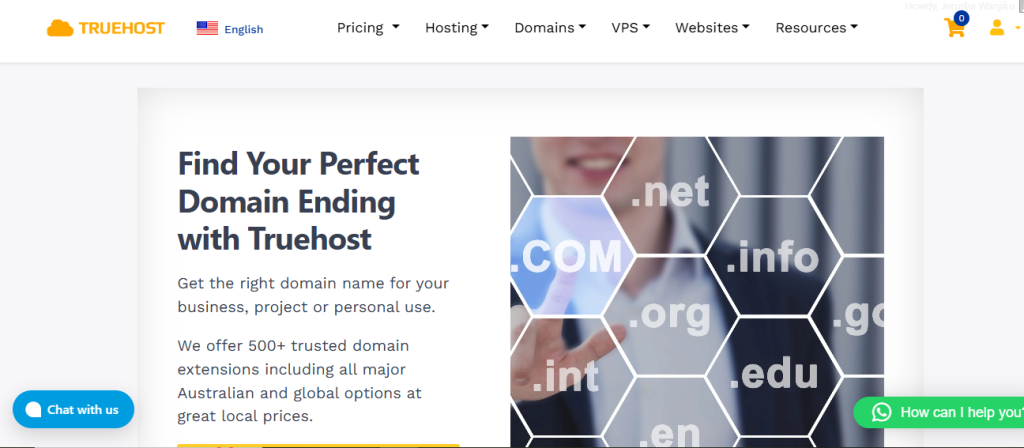
i) The first category is global domains, also known as generic top-level domains.
Examples include .com, .net, and .org. These domains are not tied to any country and can be registered by anyone, anywhere.
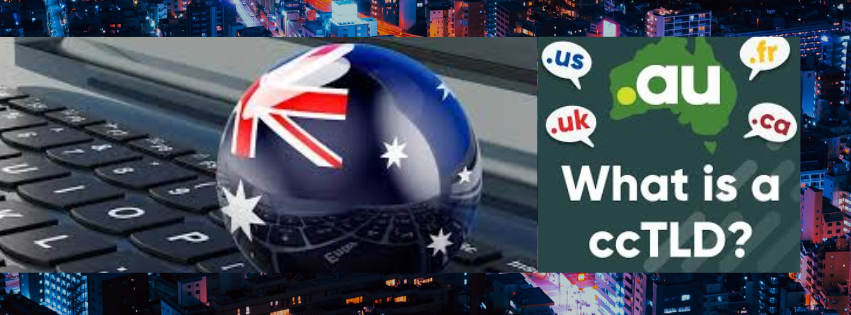
ii) The second category is local domains, also called country-code domains. These include options like .com.au, .co.uk, or .ca.
Local domains are usually linked to a specific country. Many of them require proof that your business operates or is registered there.
From an SEO perspective, each type sends a different message to search engines and users. The key is matching that message to your business goals.
Why .com Became the Default Online
The .com domain has been around since the early days of the internet. Over time, it became the most recognised and trusted extension worldwide.
Because of this long history, people expect serious businesses to use .com. It feels familiar, professional, and complete.
When users hear a brand name, many will try the .com version first. This happens even when the business actively promotes a local domain.
If you do not own the .com version of your brand, that traffic goes somewhere else. In some cases, it goes directly to a competitor.
Brand Memory and User Behaviour
From a branding point of view, .com is easy to remember. It does not require explanation or extra clarification.
When customers share your website verbally or recommend you to someone else, .com reduces friction. People rarely ask, “Was that dot what again?”
At Truehost, we see higher levels of direct traffic for businesses that own the .com version of their name. That traffic often converts better because the intent is strong.
Direct visits also send positive signals to search engines. They show that users actively seek out your brand.
Global Reach Without Hidden Limits
A .com domain does not suggest boundaries. Whether your customer is across town or across the world, the domain still fits naturally.
Many businesses begin with a local audience and expand later. When that happens, a local-only domain can start to feel restrictive.
Switching domains during growth can be disruptive. SEO rankings may drop temporarily, and customers may get confused.
Starting with a .com domain avoids that problem. It gives your business room to grow without needing a rebrand later.
Mobile Users and Ease of Typing
Most web traffic today comes from mobile devices. Small usability details can make a real difference.
Many smartphone keyboards include a dedicated .com button. This makes typing a .com domain faster and easier than many local extensions.
Fewer typing steps mean fewer mistakes. Fewer mistakes mean fewer lost visitors.
When users mistype a domain and hit a dead end, they often leave. Clean access protects your traffic and your conversions.
.com as a Business Asset
A domain name is not just a technical requirement. It is a digital asset tied to your brand’s value.
Strong .com domains often carry higher resale value than local domains. Investors and buyers pay attention to this detail.
Even if selling your business is not part of your plan, owning a valuable domain strengthens your position. It signals stability and long-term thinking.
At Truehost, we view domains as part of your digital property. Choosing wisely protects future value.
When a Local Domain Is the Right Fit
Local domains are not weak or outdated. They are simply more specialised.
If your business operates strictly within one country and has no plans to expand, a local domain can make sense. It clearly shows where you are based.
This is especially true for physical businesses. Shops, clinics, trades, and local service providers often benefit from local signals.
Customers searching for nearby services may feel more comfortable clicking a local domain. It matches their intent and expectations.
Local SEO Benefits for Certain Businesses
Search engines try to connect users with nearby results. Local domains help reinforce location relevance.
For searches like “near me” or city-based services, a country-specific domain can support local visibility.
This does not replace good content or local listings, but it strengthens the overall picture.
At Truehost, we see local domains work well for businesses that rely heavily on regional customers and foot traffic.
Trust Signals in Regulated Industries
Some industries depend heavily on trust and compliance. Legal, financial, and medical services are good examples.
Local domains often require business verification during registration. This adds a layer of legitimacy.
Customers may not know the technical rules behind the domain, but they feel the outcome. The site appears more accountable and grounded.
For businesses in regulated spaces, that perception can influence enquiries and conversions.
Availability and Real-World Compromises
Not every business name is available as a .com. Many short or common names were registered years ago.
In these cases, a local domain can act as a practical alternative. It allows you to move forward without delay.
This approach works best when branding is strong and consistent. Clear messaging reduces confusion about where customers should go.
At Truehost, we help businesses assess these situations carefully. A rushed domain decision can create problems later.
Side-by-Side Comparison
Here is a practical comparison based on branding, SEO, and usability.
| Feature | .com (Global) | Local Domain |
|---|---|---|
| Reach | Worldwide | Country-specific |
| Brand perception | Universal | Regional |
| SEO strength | Best for scalable growth | Best for local services |
| Ease of typing | Very easy | Moderate |
| Resale value | High | Lower |
| Growth flexibility | Very high | Limited |
This comparison shows why many growing businesses lean toward .com, even when starting locally.
The Strategy Many Professionals Use
Many business owners think they must choose one domain and stop there. In reality, the smarter move is often owning both.
Securing both the global and local versions of your brand protects your name. It also gives you flexibility as your business evolves.
At Truehost, we frequently recommend this strategy for serious businesses. It balances reach with local relevance.
You can choose one domain as your primary site and use the other strategically.
How Redirects Create the Best Setup
The most effective setup usually places the .com as the main website. This becomes your central brand home.
The local domain can then redirect visitors to the main site automatically. Users land on the same content either way.
This captures local traffic while keeping one clear SEO structure. It also avoids duplicate content issues.
We handle this setup cleanly and correctly at Truehost, so you do not have to manage the technical side.
Protecting Your Brand Name Online
If you do not register your brand name, someone else might. This includes competitors or resellers.
Owning both global and local domains prevents confusion and misuse. It keeps control of your brand in your hands.
We regularly see disputes that could have been avoided with early registration. Prevention is always cheaper than recovery.
Domains are part of brand protection, not just marketing.
Managing Multiple Domains Should Be Simple
Owning more than one domain should not create extra stress. Management needs to be straightforward.
At Truehost, you manage everything from one dashboard. Renewals, redirects, and DNS settings are easy to control.
Local support makes a difference when questions come up. You speak to people who understand your business environment.
We build our tools for real business use, not just technical experts.
Which Option Is Right for You
The right choice depends on your goals. There is no universal answer.
Choose .com if you want flexibility, authority, and room to grow. It supports branding and SEO over the long term.
Choose a local domain if your business is strictly regional and relies heavily on local search traffic.
For many businesses, owning both is the safest and most future-proof option.
Why Businesses Choose Truehost
At Truehost, we do more than sell domains. We help businesses make informed decisions.
Our advice is based on SEO experience and real client outcomes. We look at where you are today and where you want to go.
You can register, manage, and grow your domain strategy with us in one place. That simplicity matters as your business scales.
Closing Perspective
Your domain choice shapes how people find you and how they trust you. It also influences how far your business can grow.
A global domain offers flexibility and recognition. A local domain offers focus and regional clarity.
At Truehost, we help you use both wisely when it makes sense. Your domain should support your business, not hold it back.
If you are ready to secure the right domain strategy, start with Truehost today.
